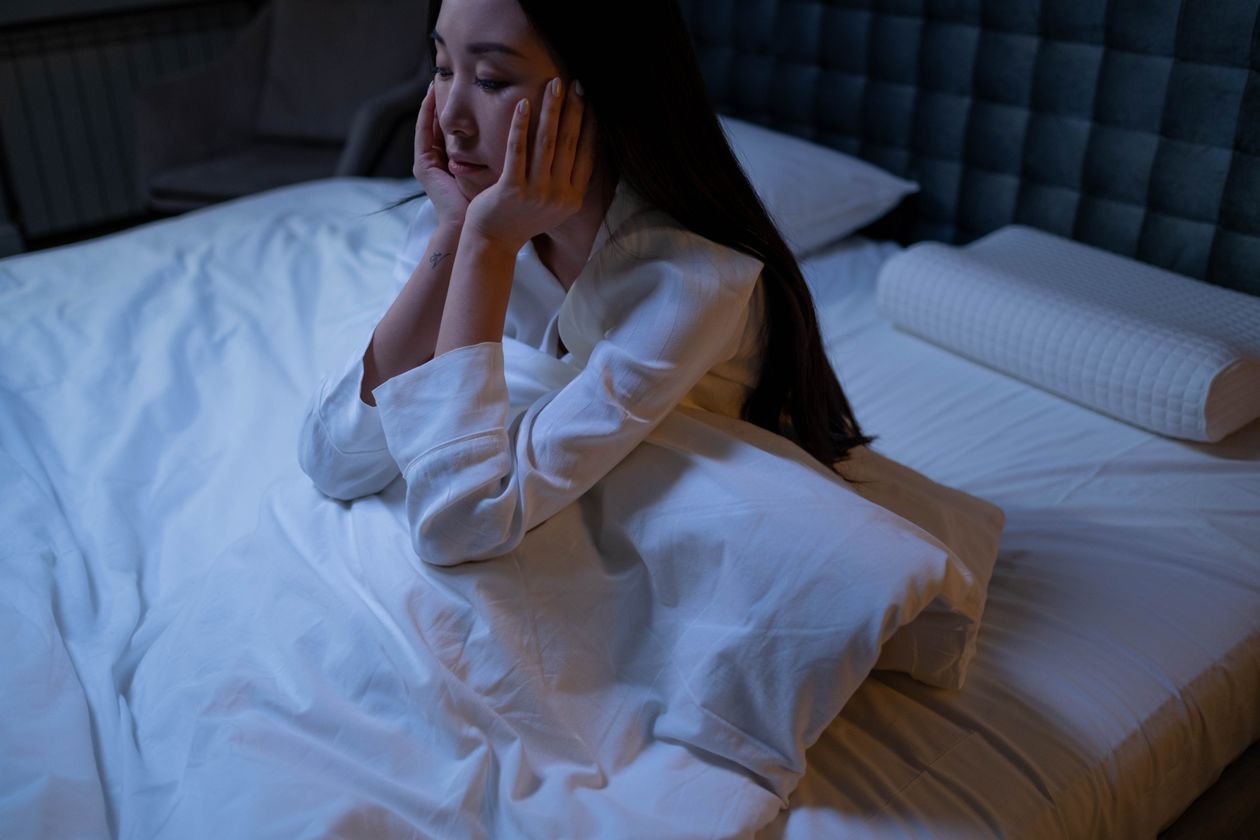
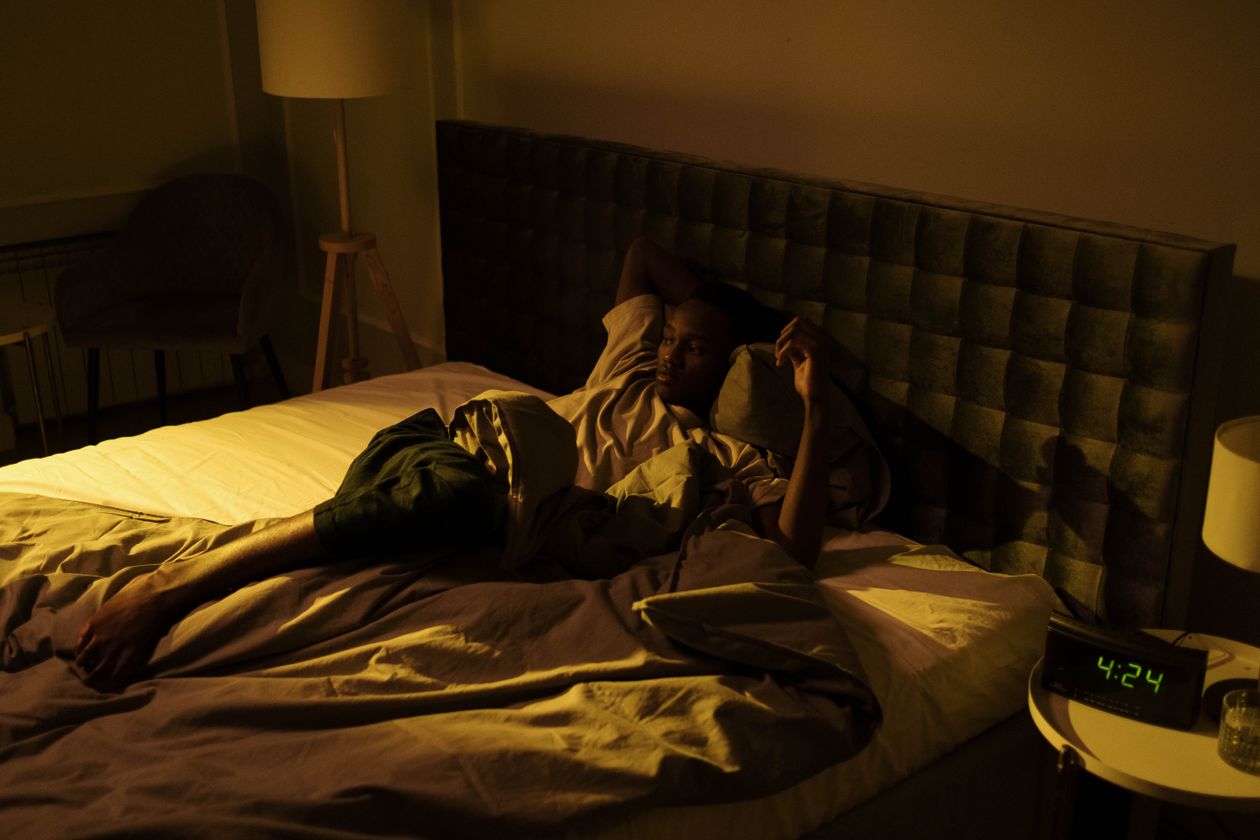
You spent seven or eight hours in bed, but by the afternoon you are rereading the same paragraph and wondering whether another coffee will help. That is frustrating. It does not, by itself, tell you what is causing the tiredness.
Time in bed and restorative sleep are different things. Daytime habits can matter, but so can sleep problems, medicines and health conditions. Use the ideas below to notice patterns and make manageable changes, not to diagnose yourself or prove that sleep is fine.
When to get checked
Arrange a GP appointment if unexplained tiredness lasts a few weeks, affects everyday life, or comes with other symptoms. Mention weight changes, mood changes, or reports of gasping or choking during sleep. Sleep apnoea can cause daytime tiredness even when you allow enough time for sleep. A clinician can decide whether tests or another assessment are appropriate; a single blood test does not rule out every cause. See the NHS guidance on tiredness and fatigue.
You do not need to finish a habit checklist before seeking help. Bring a note of when the tiredness started, how it affects you, your sleep pattern and any medicines or supplements you take. That gives the conversation a more useful starting point than asking for a test selected from an online list.
1. Make room for regular meals
If breakfast is often coffee and lunch is whatever you find between meetings, start with the practical problem: when could you eat without having to improvise? The NHS self-help guide recommends regular meals as one way to support energy through the day.
Try this: choose an affordable breakfast and lunch you can repeat. Put the ingredients on your shopping list and reserve time to eat. A yoghurt with oats, or leftovers packed the night before, may be easier to manage than an elaborate new routine. Choose foods that suit your dietary needs. Note whether skipped meals and difficult afternoons coincide; a better afternoon does not establish a medical cause.
2. Simplify the decisions you can simplify
A crowded day can feel demanding even if you have not been physically active. You do not need a theory about a fixed mental-energy supply to make tomorrow less complicated.
Try this: choose your clothes, pack lunch and write down the first task before you finish today. If one of those preparations is more work than it saves, drop it. Keep the preparations that make your day easier to manage.
3. Consider a manageable movement break
For ordinary tiredness, the NHS includes regular physical activity among its self-help suggestions. That does not mean every exhausted person should push through symptoms.
Try this: if you feel well enough, choose a brief, comfortable break from sitting: a short walk, a change of position or another movement that suits you. Skip rigid targets. If activity makes your symptoms worse, stop and discuss that pattern with a clinician rather than treating it as a motivation problem.
4. Check whether drinks are easy to reach
Dehydration can include tiredness among its symptoms, but tiredness alone does not identify it. For everyday drinking, tea and coffee count towards fluid intake; having coffee does not mean you must replace it with an equal extra amount of water. See NHS hydration guidance.
Try this: put a drink within reach and include drinks with meals. Drink regularly in a way that suits your needs. If you have a prescribed fluid limit, follow that instead of a general drinking target; fluid allowances can be individual, as explained by Cambridge University Hospitals.
5. Give the evening a quieter ending
If scrolling takes up time you intended for sleep, choose a stopping point before opening the app. NHLBI sleep guidance recommends quiet time before bed and avoiding bright screen light then.
Try this: put the phone out of reach and prepare one alternative you actually enjoy: a book, music or a conversation. Notice both bedtime and how rested you feel. Keep the routine manageable and seek advice if tiredness persists.
6. Name the pressure without diagnosing it
Stress can contribute to tiredness. The NHS lists stress and life challenges among possible causes, alongside other explanations.
Try this: write down an unresolved task or worry, then choose a small next step: ask for help, book time to deal with it, or decide it can wait. Feeling relieved after writing is not proof that stress explains your symptoms. If distress is persistent or difficult to manage, include it in your conversation with a GP.
7. Look at caffeine and sleep together
Caffeine can interfere with sleep, and its effects may last for hours. If you decide to reduce it, a gradual reduction can be easier than stopping abruptly. The NHS discusses caffeine, sleep and withdrawal.
Try this: write down what you drink and when. Consider replacing a later caffeinated drink with a decaffeinated option. Choose timing that fits your bedtime and work schedule, and notice how you respond.
8. Make space for daylight when practical
Spending some time outdoors is another suggestion in NHLBI's healthy sleep guidance. Shift workers may need advice suited to their schedule.
Try this: take a comfortable outdoor break if your circumstances allow. Do not make it a contest over minutes or brightness, and keep your usual eye and sun protection. This is a possible part of a routine, not a proven cure for morning fog.
A short note you can use
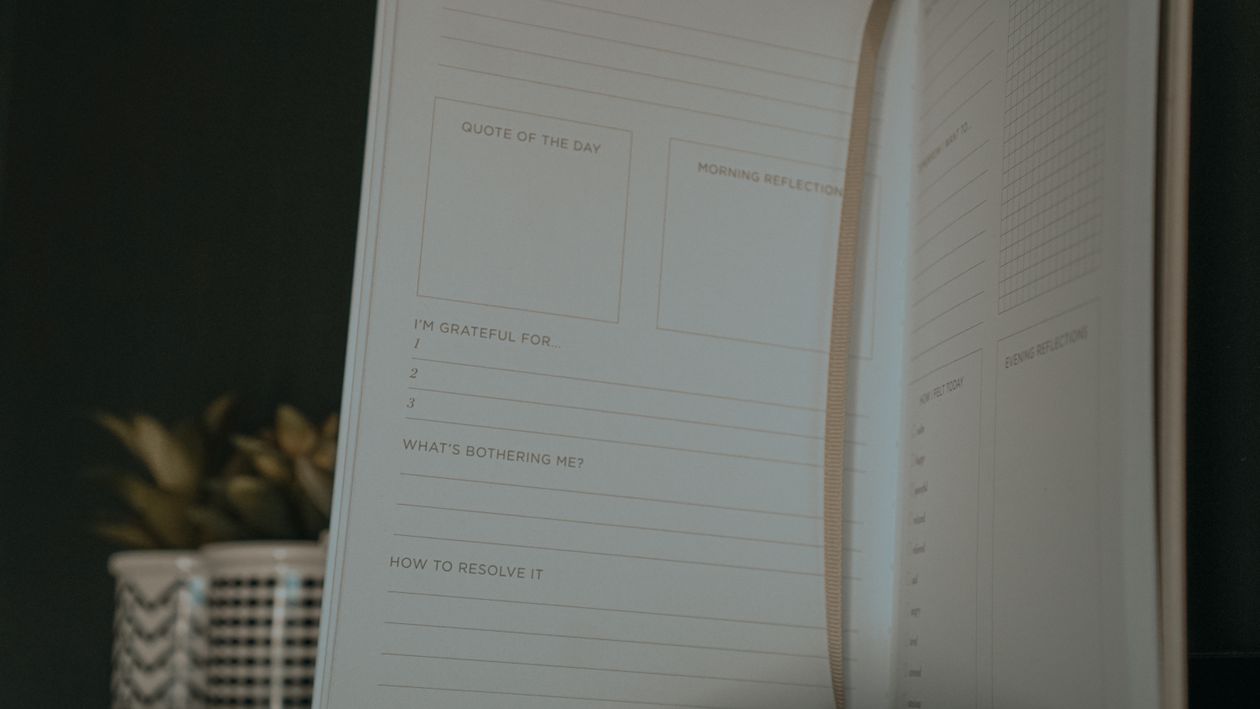
Instead of changing everything at once, choose one manageable adjustment while arranging any needed care. Use these prompts in a notebook:
- When did tiredness interfere with something I wanted or needed to do?
- What was my sleep like, including waking in the night?
- What did meals, drinks, medicines and activity look like that day?
- What changed, and what stayed the same?
- Did I notice any other symptoms?
Use the notes to describe your experience clearly. Improvement, no change or worsening can all be worth discussing. If tiredness is unexplained, persistent or affecting daily life, do not keep postponing medical advice while trying another routine.
Editorial update: revised to distinguish habits from diagnosis and to remove unsupported numerical claims. General health information, not an individual treatment plan. Sources checked 10 September 2026.